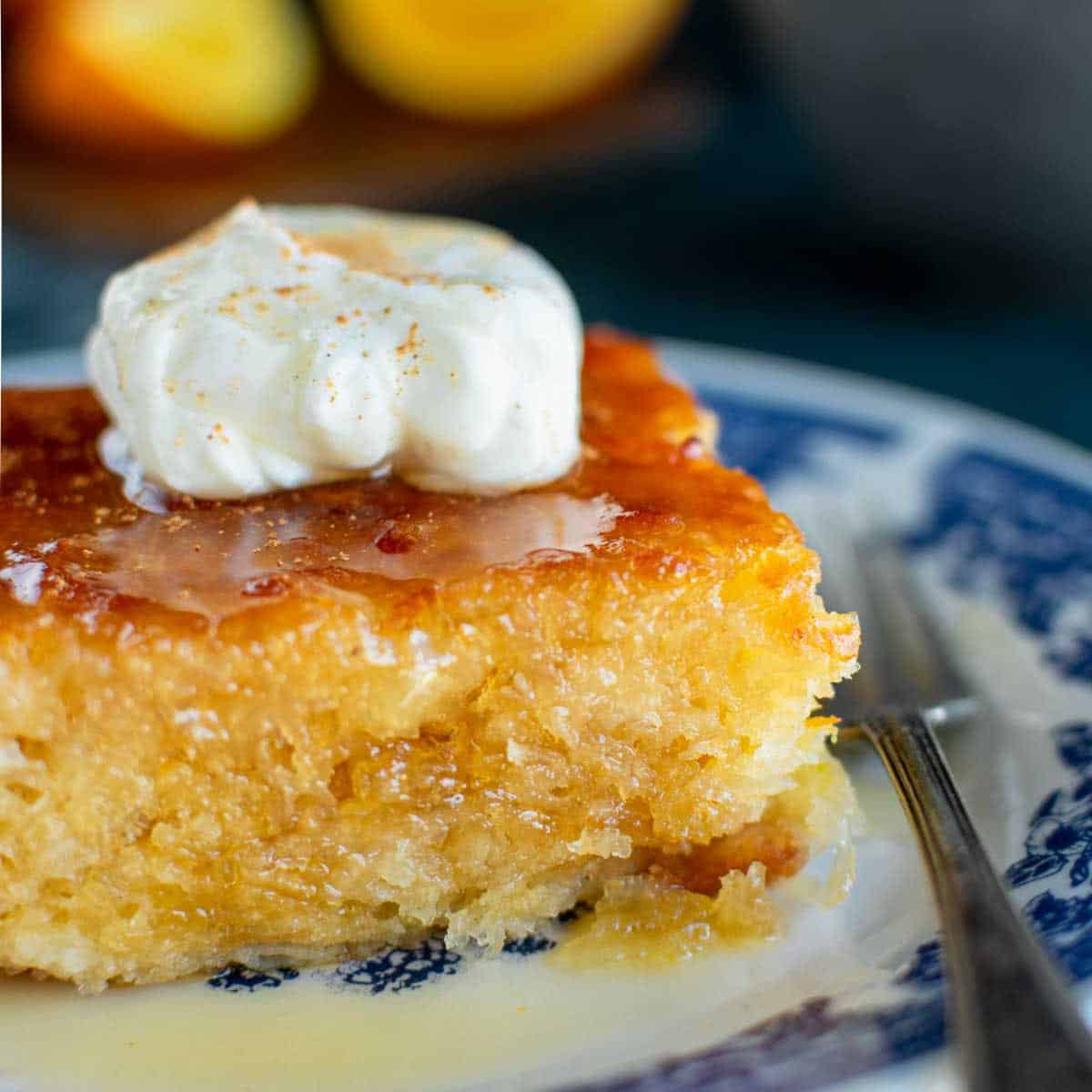
Decadent Portokalopita: A Greek Orange Cake with Syrupy Phyllo
Step into the vibrant world of Greek desserts, and you'll quickly encounter the tantalizing allure of portokalopita. This traditional Greek orange cake, whose name quite literally translates to "orange pie," is a masterpiece of texture and flavor. Far from a humble cake, portokalopita is a syrupy sensation, a proud member of the Greek
siropiasta family—desserts lovingly drenched in sweet syrup. What makes it truly stand out is its unique base: not flour, but shredded, often repurposed, phyllo dough. This ingenious twist, combined with creamy yogurt, eggs, and fragrant orange zest, bakes into a remarkably moist, almost pudding-like creation, culminating in an unforgettable dessert that embodies Greek culinary resourcefulness and a deep appreciation for citrus.
The Heart of Greece in Every Slice: What is Portokalopita?
At its core, portokalopita is an artful combination of simple ingredients transformed into something extraordinary. The star of the show is undoubtedly the phyllo dough. Unlike other Greek pastries where phyllo is layered and kept intact, for portokalopita, it undergoes a transformation. Sheets of delicate phyllo are typically dried until crisp, then dramatically torn or crumbled into smaller pieces. These brittle fragments are then folded into a rich, custard-like batter. This batter is a harmonious blend of creamy yogurt, which lends a beautiful tang and moisture, along with eggs for binding and richness, and the invigorating zest of fresh oranges. Additional ingredients often include vegetable or olive oil, sugar for sweetness, baking powder for a slight lift, and a touch of vanilla extract to round out the flavors.
Once baked to a beautiful golden hue, the cake is immediately showered with a luscious, aromatic orange syrup. This warm syrup, prepared by simmering water, sugar, and an abundance of fresh orange juice (often with a cinnamon stick for an added layer of warmth), is poured over the hot cake. The contrast in temperatures allows the cake to eagerly absorb every drop of the sweet liquid, resulting in its signature moist, tender crumb and irresistible, pudding-like texture. It's a dessert that perfectly encapsulates the Greek passion for robust flavors and comforting, shareable treats.
A Journey Through Time and Terroir: The Cretan Origins of Portokalopita
The story of portokalopita is deeply interwoven with the sun-drenched landscapes and agricultural traditions of Crete, the largest island in Greece. It is here, amidst fertile valleys nourished by the snowmelt from the majestic Lefka Ori (White Mountains), that the dessert is believed to have truly flourished. Crete's abundant orange groves have for generations provided a plentiful supply of fresh, aromatic citrus, which naturally became the cornerstone of many local dishes, including this very cake. The western regions of Crete, particularly around Chania, have a long-standing history of small-scale orange farming, with families cultivating these trees for both personal consumption and trade, fostering a culture of culinary innovation and resourcefulness.
This rich agricultural heritage coincided with another cherished Cretan tradition: the art of handmade phyllo dough production. Passed down through generations, the skill of stretching thin, delicate sheets of dough from simple flour, water, and olive oil was a fundamental part of household cooking. Portokalopita ingeniously emerged from this context, transforming what might have been leftover or dried phyllo scraps—perhaps from savory pies like spanakopita—into a magnificent sweet creation. This practice of repurposing ingredients speaks volumes about the frugal yet creative spirit of Greek home cooks, especially in an era when commercial pastries were a rarity. While some accounts even trace the concept of orange-infused desserts in Greece back to the Byzantine era, following the introduction of oranges to the region, it is in Crete that portokalopita found its definitive form, evolving into a beloved winter dessert that symbolizes Greek hospitality and the bounty of the orange season. To truly appreciate the rich history and cultural significance, dive deeper into
Portokalopita's Cretan Roots: A History of Greek Orange Pie.
Crafting Your Own Decadent Portokalopita: Tips for Perfection
Creating portokalopita at home is a wonderfully rewarding experience, and with a few key insights, you can achieve that perfect balance of crisp, moist, and utterly delicious.
*
The Phyllo Foundation: The unique texture of portokalopita hinges on how you treat the phyllo. Start by laying out your phyllo sheets on a baking tray and drying them in a low oven (around 200°F / 95°C) for 10-15 minutes, or simply air-dry them for several hours until they are brittle and crisp. This drying process is crucial because it removes moisture, allowing the phyllo to absorb the wet batter and syrup more effectively without becoming gummy. Once dry, crumble the sheets into small, irregular pieces – don't worry about perfection; the rustic texture is part of its charm.
*
The Batter Blend: The quality of your ingredients truly shines here. Use full-fat Greek yogurt for the creamiest texture and a pleasant tang that cuts through the sweetness of the syrup. Freshly grated orange zest is non-negotiable; aim for a fine zest to maximize flavor without bitterness. Incorporate the phyllo gently into the wet ingredients, ensuring each piece is coated but not overly mashed.
*
Syrup Mastery: This is where the magic happens! For optimal absorption and to prevent a soggy cake, it's essential to pour *cooled* syrup over a *hot* cake, or vice versa. The temperature difference creates a "thermal shock" that helps the cake draw in the syrup like a sponge. Prepare your syrup first and allow it to cool completely while the cake bakes. When making the syrup, use freshly squeezed orange juice for the best flavor, and don't hesitate to add a cinnamon stick or a few strips of orange peel to the simmering mixture for an extra layer of aromatic complexity.
*
Baking to Perfection: Bake your portokalopita in a preheated oven at around 350°F (175°C) for 40-50 minutes. Look for a beautiful golden-brown top and edges that are pulling slightly away from the pan. A skewer inserted into the center should come out mostly clean, though the cake will still be wonderfully moist.
*
The Patience Factor: Once the syrup has been poured, resist the urge to cut into it immediately. Portokalopita benefits immensely from resting. Allow it to sit at room temperature for at least 2-3 hours, or ideally, overnight. This gives the cake ample time to fully absorb the syrup, allowing the flavors to meld and the texture to set perfectly.
*
Serving Suggestions: Portokalopita is most often served chilled. A simple dusting of cinnamon or extra orange zest is a classic garnish. For an even more indulgent experience, serve it alongside a dollop of thick, creamy Greek yogurt, which provides a lovely tart contrast to the sweet cake, or with a scoop of vanilla ice cream. For a detailed step-by-step guide to mastering this dessert, check out
Authentic Portokalopita: Crafting Greece's Orange Phyllo Cake.
Why Portokalopita Stands Out: Flavor Profile and Cultural Resonance
Portokalopita is much more than just a cake; it's an experience. Its appeal lies in its distinctive combination of textures and vibrant flavors. The cake itself is incredibly moist, almost a hybrid between a traditional cake and a light bread pudding, with the shredded phyllo offering delicate, slightly chewy strands that are surprisingly satisfying. This unique mouthfeel sets it apart from dense flour-based cakes. The flavor profile is a celebration of fresh citrus: bright, zesty, and intensely orange, beautifully balanced by the sweetness of the syrup and the subtle warmth of vanilla and cinnamon. The aroma alone, as it bakes and soaks, is enough to transport you to a sun-drenched Greek kitchen.
Culturally, portokalopita embodies the essence of Greek hospitality. It's a dessert often prepared for gatherings, a symbol of warmth and welcome. Its butter-free nature (often relying on vegetable or olive oil) also makes it a lighter yet equally decadent alternative to many traditional desserts. From bustling Athenian bakeries to tranquil island homes, portokalopita remains a beloved staple, celebrated for its ability to evoke comfort, tradition, and the joyful spirit of Greek cuisine.
Conclusion
Portokalopita is a testament to the ingenuity and vibrant flavors of Greek cooking. It's a dessert that seamlessly blends resourcefulness with decadence, transforming humble phyllo scraps and abundant citrus into a moist, aromatic, and utterly irresistible cake. Whether you savor its historical roots in Crete or simply delight in its unique texture and zesty sweetness, portokalopita offers a truly authentic taste of Greece. Embrace the warmth, the tradition, and the sheer deliciousness of this syrupy phyllo masterpiece – it's a culinary journey well worth taking.