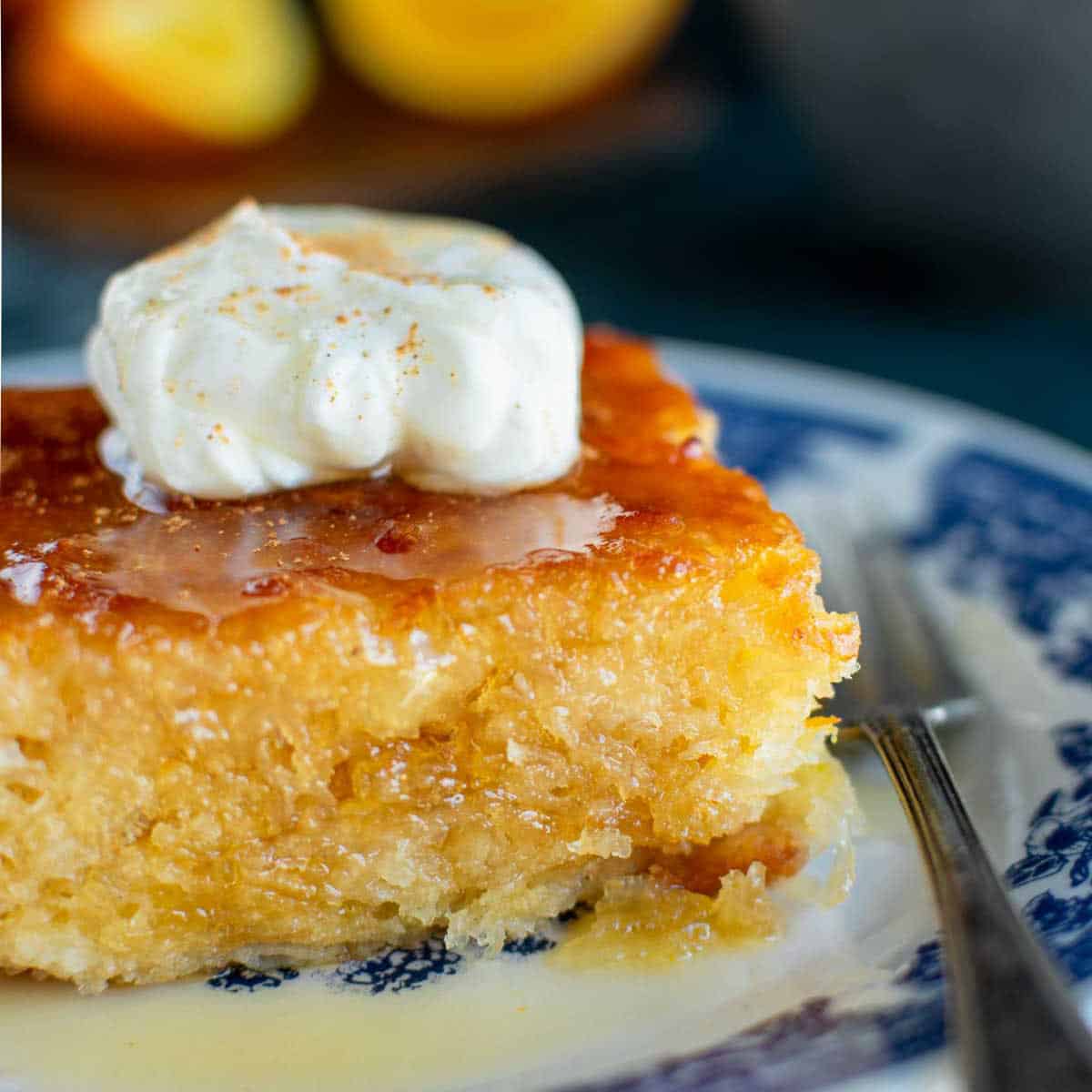
Journey to the heart of Greece with a dessert that epitomizes sunshine, tradition, and ingenuity: Portokalopita. This beloved Greek orange phyllo cake, whose name simply translates to "orange pie," is far more than a simple sweet. It's a culinary embrace, a fragrant symphony of textures and flavors that captivates from the first bite. Forget heavy, dense cakes; portokalopita offers a uniquely moist, almost pudding-like experience, where crisp, shredded phyllo dough transforms into a tender, crumbly base, generously drenched in a vibrant, aromatic orange syrup. It's a true celebration of Greece's abundant citrus and resourceful baking heritage, promising a taste of Mediterranean warmth in every delicious slice.
The Enchanting Essence of Portokalopita: A Syrupy Delight
At its core, portokalopita is a masterful example of a siropiasta, a category of Greek desserts characterized by their rich, syrupy soaking. What sets this particular Greek orange cake with syrupy phyllo apart is its innovative use of phyllo dough. Instead of being layered neatly, the phyllo sheets are purposefully shredded or crumbled, then dried until crisp. This unique preparation method creates pockets and crevices that eagerly absorb the sweet orange syrup, resulting in that distinctive moist, almost custard-like interior.
The batter itself is a harmonious blend of simple yet effective ingredients: eggs provide structure, creamy yogurt lends a subtle tang and richness, while sugar and baking powder ensure a tender crumb. The star, of course, is the orange zest, infusing every mouthful with a bright, uplifting citrus aroma. Once baked to a golden perfection, the hot cake is showered with a cooled syrup, typically made from water, sugar, and generous amounts of fresh orange juice, often enhanced with a hint of vanilla or a cinnamon stick. This temperature contrast is crucial, allowing the syrup to penetrate deeply, transforming the cake's texture into an unforgettable, melt-in-your-mouth experience.
Unlike many traditional cakes that rely heavily on butter, portokalopita often utilizes vegetable oil or olive oil, contributing to its unique moisture and sometimes a subtle peppery note, especially when high-quality olive oil is used. This dessert is a testament to the fact that extraordinary flavor often arises from humble ingredients and clever techniques.
A Culinary History: Portokalopita's Frugal Cretan Roots
The story of portokalopita is deeply interwoven with the agricultural bounty and resourceful spirit of Greece, particularly the island of Crete. It’s widely believed that this iconic dessert originated in Crete, an island renowned for its thriving orange groves and long-standing traditions of phyllo dough preparation. The fertile valleys of Crete, nourished by the meltwater from the majestic Lefka Ori (White Mountains), have sustained generations of orange farmers, providing an abundant supply of the fresh citrus that is central to the cake's flavor and syrup.
The concept of portokalopita is thought to have emerged from a desire to minimize waste, a common practice in traditional Greek households. Phyllo dough, a staple in Greek cooking for both savory pies like spanakopita and sweet baklava, often left behind dried or broken scraps. Rather than discard them, ingenious Cretan cooks repurposed these remnants, crumbling them into a batter with local dairy products and the island’s plentiful oranges. This practice speaks volumes about the historical ingenuity of Greek cuisine, where every ingredient was valued and transformed into something delicious. To delve deeper into its fascinating heritage, explore Portokalopita's Cretan Roots: A History of Greek Orange Pie.
Some historical accounts even trace the roots of orange-infused desserts in Greece back to the Byzantine era, following the introduction of oranges to the region. Regardless of its exact timeline, portokalopita has cemented its place as a significant cultural dessert, especially enjoyed during the winter months when oranges are at their peak season, embodying Greek hospitality and the warmth of home.
Crafting Authentic Portokalopita: Tips for Success
Creating your own authentic portokalopita at home is a rewarding experience, and with a few key tips, you can achieve that perfect balance of texture and flavor.
Essential Ingredients:
- Phyllo Dough: Standard commercial phyllo works perfectly. The key is to dry it out completely.
- Fresh Oranges: Crucial for both zest in the batter and juice for the vibrant syrup. Navel or Valencia oranges are excellent choices.
- Greek Yogurt: Opt for full-fat Greek yogurt for the best texture and rich tang.
- Eggs: Provide structure and richness.
- Oil: Vegetable oil is common, but a mild, fruity olive oil can add an extra layer of Mediterranean flavor.
- Sugar: For both the cake and the syrup.
- Baking Powder & Vanilla: Essential leavening and aroma.
- Optional: A cinnamon stick or star anise in the syrup for added depth.
Step-by-Step Culinary Journey:
- Prepare the Phyllo: The most distinctive step! Unroll your phyllo sheets and spread them out on baking sheets. Lightly dry them in a low oven (around 200°F/90°C) for 10-15 minutes until crisp, or simply leave them uncovered on your counter for several hours or overnight. Once dry, crumple or shred them into small pieces. This creates the unique "shredded" texture.
- Mix the Batter: In a large bowl, whisk together the eggs, sugar, oil, yogurt, orange zest, and vanilla. Gently fold in the crumbled phyllo dough and baking powder, ensuring the phyllo is evenly coated but not overmixed. Let it sit for 10-15 minutes to allow the phyllo to start absorbing some moisture.
- Bake the Cake: Pour the mixture into a greased baking pan (a 9x13 inch pan is ideal). Bake in a preheated oven at approximately 350°F (175°C) for 40-50 minutes, or until golden brown and a toothpick inserted into the center comes out clean.
- Prepare the Syrup: While the cake bakes, combine water, sugar, fresh orange juice, and any optional spices in a saucepan. Bring to a boil, then reduce heat and simmer for about 5-7 minutes until slightly thickened. Remove from heat and let it cool completely. This is vital: hot cake, cool syrup.
- Syrup Absorption: As soon as the cake comes out of the oven, immediately and slowly pour the cooled syrup evenly over the hot cake. You'll hear a satisfying sizzle as the cake eagerly drinks up the fragrant liquid. Allow the cake to cool completely, preferably chilling it for several hours or overnight, to ensure maximum syrup absorption and optimal flavor development.
Pro Tip: Don't be afraid to zest generously. The more orange zest you add, the more intensely aromatic and flavorful your portokalopita will be!
Beyond the Recipe: Serving and Cultural Significance
Once your portokalopita has fully absorbed its syrupy embrace and chilled to perfection, it’s ready to be served. This dessert is typically enjoyed cold, allowing the flavors to meld and the texture to firm up into that delightful, moist consistency. While utterly delicious on its own, it’s often paired with complementary elements to enhance the experience.
Traditional accompaniments include a dollop of cool, thick Greek yogurt, which provides a wonderful tangy contrast to the sweet cake. A scoop of vanilla bean ice cream or a light sprinkle of chopped pistachios also makes for an elegant finish. The vibrant orange flavor makes it a refreshing choice, especially after a hearty Greek meal.
Culturally, portokalopita holds a special place in Greek homes and bakeries. It’s a staple during the winter months, aligning with the peak orange harvest, and is a common sight at family gatherings and celebrations. It embodies the essence of Greek hospitality – a generous, comforting, and deeply flavorful treat offered to guests as a symbol of warmth and welcome. Its simplicity belies its profound appeal, making it a timeless classic that continues to be cherished across generations.
From its humble origins as a resourceful way to utilize leftover phyllo to its current status as a celebrated dessert, portokalopita is more than just a cake; it's a piece of Greek culinary history. Its bright, citrusy notes, combined with the unique, tender texture, make it an irresistible indulgence. Whether you're a seasoned baker or a curious foodie, crafting this authentic Greek orange phyllo cake is a journey worth taking, promising a taste of sunshine and tradition that will transport your senses straight to the Mediterranean.
