The Allure of Portokalopita: A Beloved Greek Delicacy
Imagine a dessert that captures the essence of the Mediterranean sun in every bite – that's
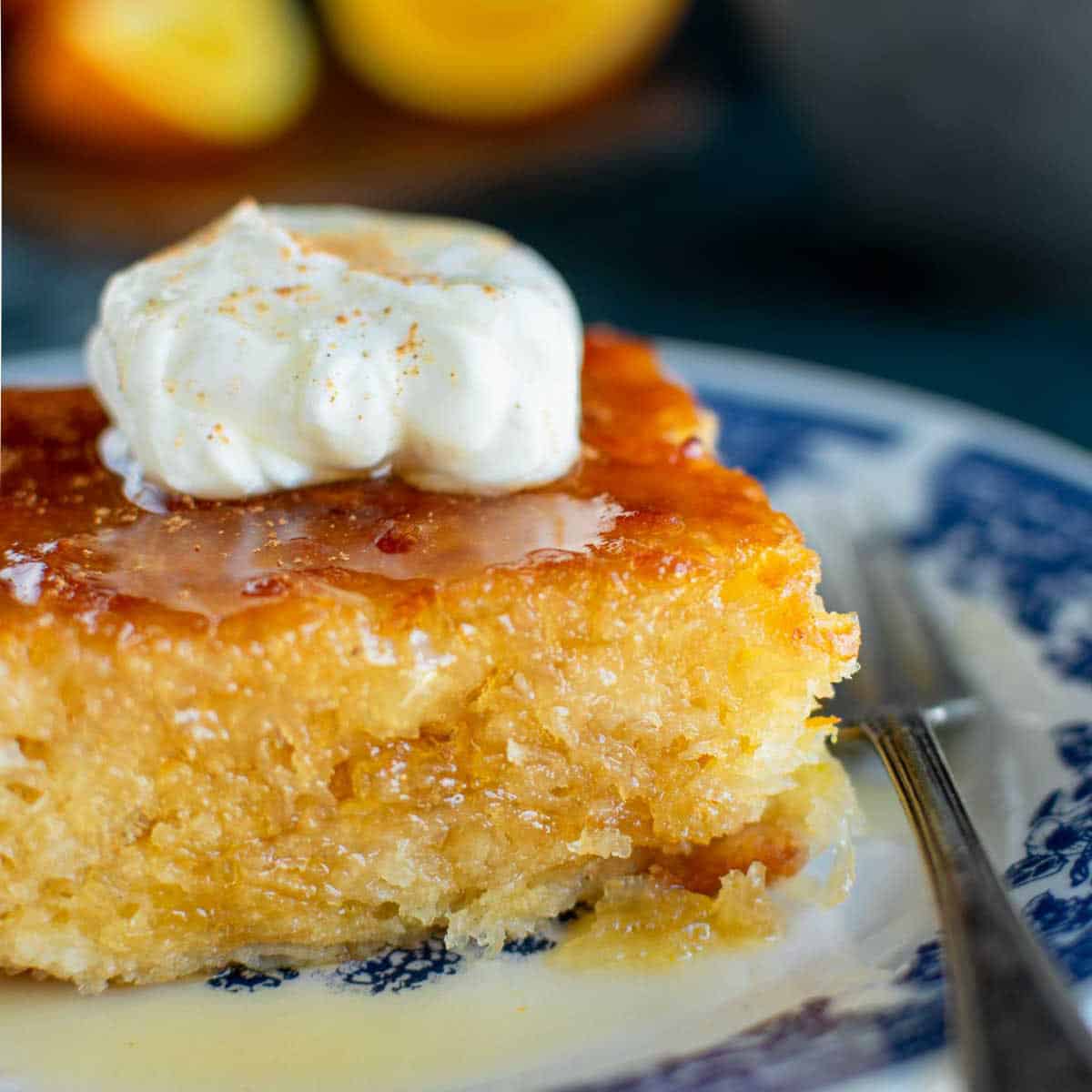
portokalopita. This traditional Greek orange pie, whose name literally translates to "orange pie," is far more than just a cake; it's a culinary embrace, a testament to resourcefulness, and a celebration of vibrant citrus. A quintessential *siropiasta* – a category of Greek desserts generously drenched in syrup – portokalopita stands out with its unique texture. Instead of smooth batter, it features shredded phyllo dough, which, when combined with a luscious mixture of yogurt, eggs, and orange zest, then baked and soaked in a sweet orange syrup, transforms into a moist, pudding-like confection. Its distinctive crumbly base and invigorating citrus aroma make it an unforgettable treat, especially cherished during Greece's abundant orange season.
While its widespread appeal spans across Greece, the true heart of portokalopita's story beats strongest on the island of Crete. This sun-drenched island, famed for its fertile lands and rich culinary heritage, provided the perfect crucible for portokalopita to evolve from a clever kitchen hack into a cherished national dessert.
Cretan Origins: Where Oranges and Resourcefulness Met
The journey of
portokalopita begins in the verdant landscapes of Crete, an island steeped in agricultural tradition and blessed with an ideal climate for citrus cultivation. The Lefka Ori, or White Mountains, with their snowmelt-fed valleys, have nurtured thriving orange groves for generations, particularly in the western regions like Chania. This consistent and plentiful supply of fresh, aromatic oranges was, and remains, the cornerstone of portokalopita’s identity, infusing both its cake and syrup with its signature taste.
For Cretan households, oranges were not just a commodity but an integral part of daily life and the rural economy. Small-scale farming of orange trees was commonplace, ensuring that families had direct access to this vital fruit. This abundance fostered a culture of innovation in cooking, inspiring home cooks to incorporate oranges into a myriad of dishes, both sweet and savory.
Complementing this orange-rich environment was Crete’s enduring tradition of handmade phyllo dough. Passed down through generations, the art of stretching simple ingredients – flour, water, and olive oil – into paper-thin sheets of phyllo was a domestic skill central to Cretan cuisine. From savory pies like spanakopita to intricate baklava, phyllo was a staple. However, making phyllo often resulted in leftover scraps or sheets that dried out. In an era predating widespread commercial bakeries, minimizing waste was not just practical; it was essential.
Portokalopita emerged precisely from this context of resourceful cooking, ingeniously repurposing these phyllo remnants. It transformed what might have been discarded into the star ingredient, creating a dessert that is as sustainable as it is delicious.
From Humble Scraps to Syrupy Perfection: The Evolution of Portokalopita
The brilliance of
portokalopita lies in its transformation of simple, readily available ingredients into a dessert of complex flavors and textures. The process begins with the humble phyllo dough. Instead of meticulously layering it, cooks would traditionally dry the phyllo sheets in a low oven until crisp, then crumble them. These dried phyllo scraps are then folded into a rich, wet batter typically composed of plain yogurt, eggs, sugar, vegetable or olive oil, baking powder, and often a touch of vanilla extract and, of course, copious amounts of fresh orange zest. This unique approach gives portokalopita its distinctive airy, yet moist, crumbly structure that beautifully soaks up the syrup.
The syrup itself is a masterpiece of simplicity and fragrance. Prepared by simmering water and sugar with plenty of fresh orange juice, and sometimes a cinnamon stick for an added aromatic depth, it's designed to be the perfect counterpoint to the cake. The key to portokalopita's pudding-like texture lies in the careful application of the syrup: cooled syrup poured over a hot, freshly baked cake ensures maximum absorption and creates that irresistible, melt-in-your-mouth experience. Baking usually takes place at around 350°F (175°C) for 40-50 minutes, until the cake turns a beautiful golden brown.
While the Cretan origin story, deeply rooted in agricultural abundance and household frugality, is widely accepted, some historical accounts suggest an even older lineage. The introduction of oranges to Greece, potentially during the Byzantine era, might hint at earlier forms of citrus-infused sweets that laid the groundwork for modern portokalopita. Regardless of its exact timeline, the dessert’s ingenious use of everyday ingredients and its vibrant flavor profile ensured its place in Greek culinary history.
Crafting Your Own Portokalopita: Tips for a Flawless Greek Orange Pie
Making a truly exceptional
portokalopita is an art that blends tradition with practical technique. Here are some tips to help you achieve a consistently delicious result:
1.
Phyllo Preparation is Key: Don't rush this step. Thoroughly drying your phyllo (either by air-drying overnight or in a low oven until crisp) is crucial for the unique crumbly texture. If the phyllo is too soft, the cake might become dense. Once crisp, crumble it into small, irregular pieces – this creates pockets for the syrup to penetrate.
2.
The Syrup's Temperature Matters: This is perhaps the most vital tip. Always pour *cooled* syrup over a *hot* cake. The temperature difference creates a "shock" that allows the cake to absorb the syrup more effectively, resulting in a supremely moist and tender interior. If both are hot, the cake won't absorb as much, and if both are cold, it won't absorb well either.
3.
Quality Ingredients Shine: Since orange is the star, use fresh, fragrant oranges for both the juice and zest. Organic oranges are often ideal as you'll be using the zest. Good quality Greek yogurt (full-fat for richness) and olive oil will also elevate the flavor profile significantly.
4.
Don't Overmix the Batter: Once the crumbled phyllo is added, mix just until combined. Overmixing can develop the gluten in the flour (from the phyllo), leading to a tougher cake.
5.
Infuse Your Syrup: While orange juice is essential, adding a cinnamon stick, a few cloves, or even a splash of orange blossom water to the simmering syrup can introduce delightful aromatic complexities. Some recipes, as seen in various regions, even incorporate honey into the syrup for an added layer of sweetness and aroma.
6.
Patience is a Virtue: After pouring the syrup, allow the portokalopita to rest and absorb for at least a few hours, or ideally overnight. This resting period significantly improves the texture and flavor, letting the sweetness mellow and the moisture distribute evenly.
7.
Serving Suggestions: While delicious on its own,
portokalopita is often served chilled. The tartness of a dollop of Greek yogurt or a scoop of vanilla ice cream provides a wonderful contrast to the sweet, citrusy cake. It pairs beautifully with a strong Greek coffee or a refreshing glass of water.
For those eager to delve deeper into the precise techniques of preparing this beloved dessert, explore our guide on
Authentic Portokalopita: Crafting Greece's Orange Phyllo Cake. Mastering these nuances will ensure your portokalopita is nothing short of perfection.
Portokalopita Today: A Timeless Taste of Greek Hospitality
Today,
portokalopita remains an undisputed staple in Greek bakeries, cafes, and homes, a testament to its enduring appeal and cultural significance. More than just a dessert, it embodies *filoxenia*, the Greek spirit of hospitality, often served to guests as a warm welcome or a sweet conclusion to a shared meal. Its peak season coincides with the cooler winter months when oranges are at their ripest and most flavorful, making it a comforting and vibrant treat during the holidays and family gatherings.
The enduring popularity of this syrupy orange pie speaks to its delightful balance of flavors and textures. The bright, zesty notes of orange cut through the sweetness of the syrup, while the tender, moist crumb of the phyllo-based cake offers a satisfying chew. It’s a dessert that evokes nostalgia, warmth, and the sunny disposition of the Greek islands. The result is a truly
Decadent Portokalopita: Greek Orange Cake with Syrupy Phyllo, a dessert that balances richness with refreshing citrus notes.
From its humble beginnings on the resourceful island of Crete, born from the clever repurposing of phyllo scraps and the bounty of orange groves, portokalopita has ascended to iconic status. It stands as a delicious emblem of Greek culinary tradition, celebrating fresh ingredients, ingenuity, and the timeless joy of sharing good food. Whether you're savoring a slice in a bustling Athenian bakery or baking it in your own kitchen, portokalopita offers a vibrant, syrupy taste of Greece's rich heritage.